
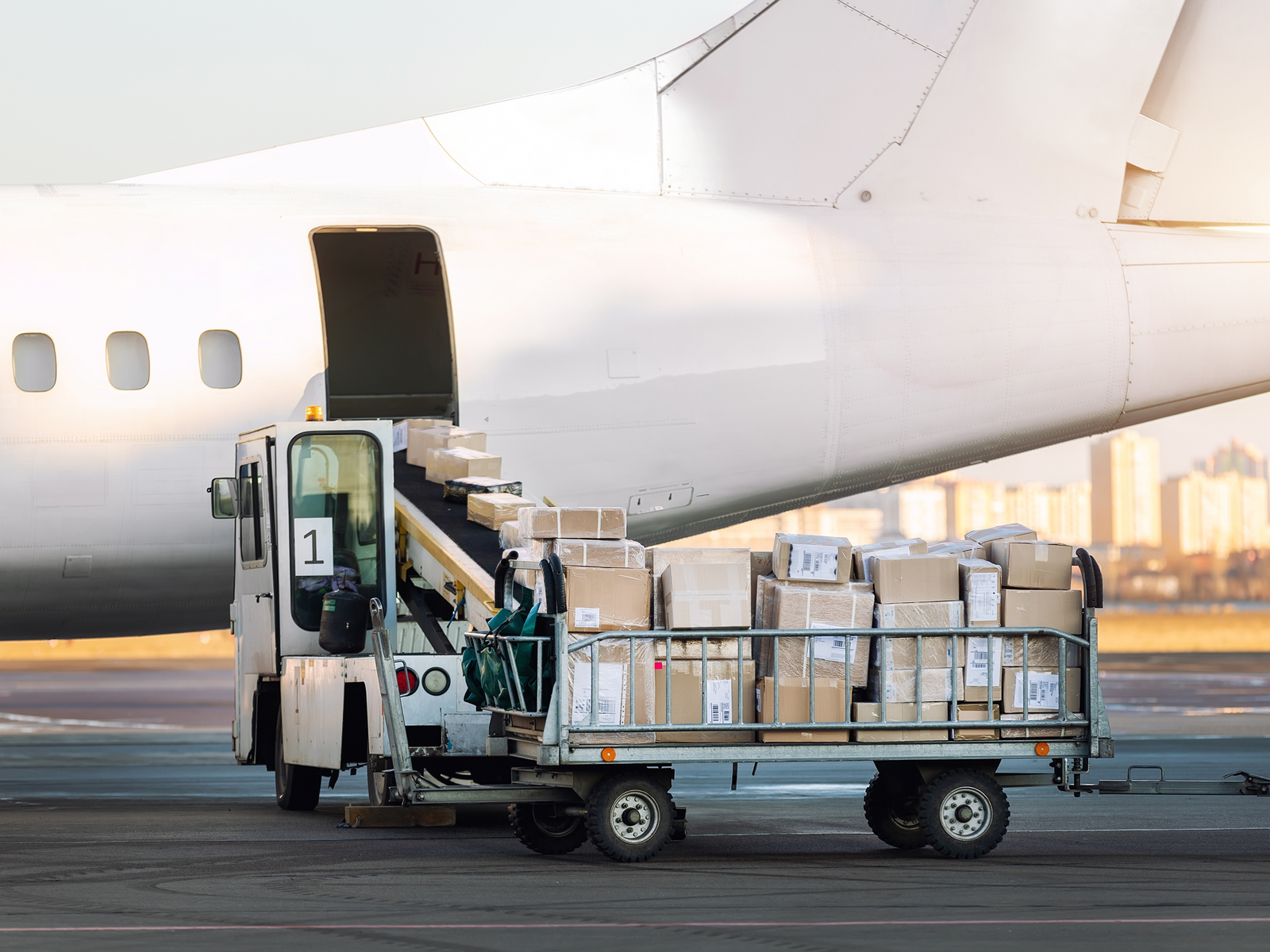
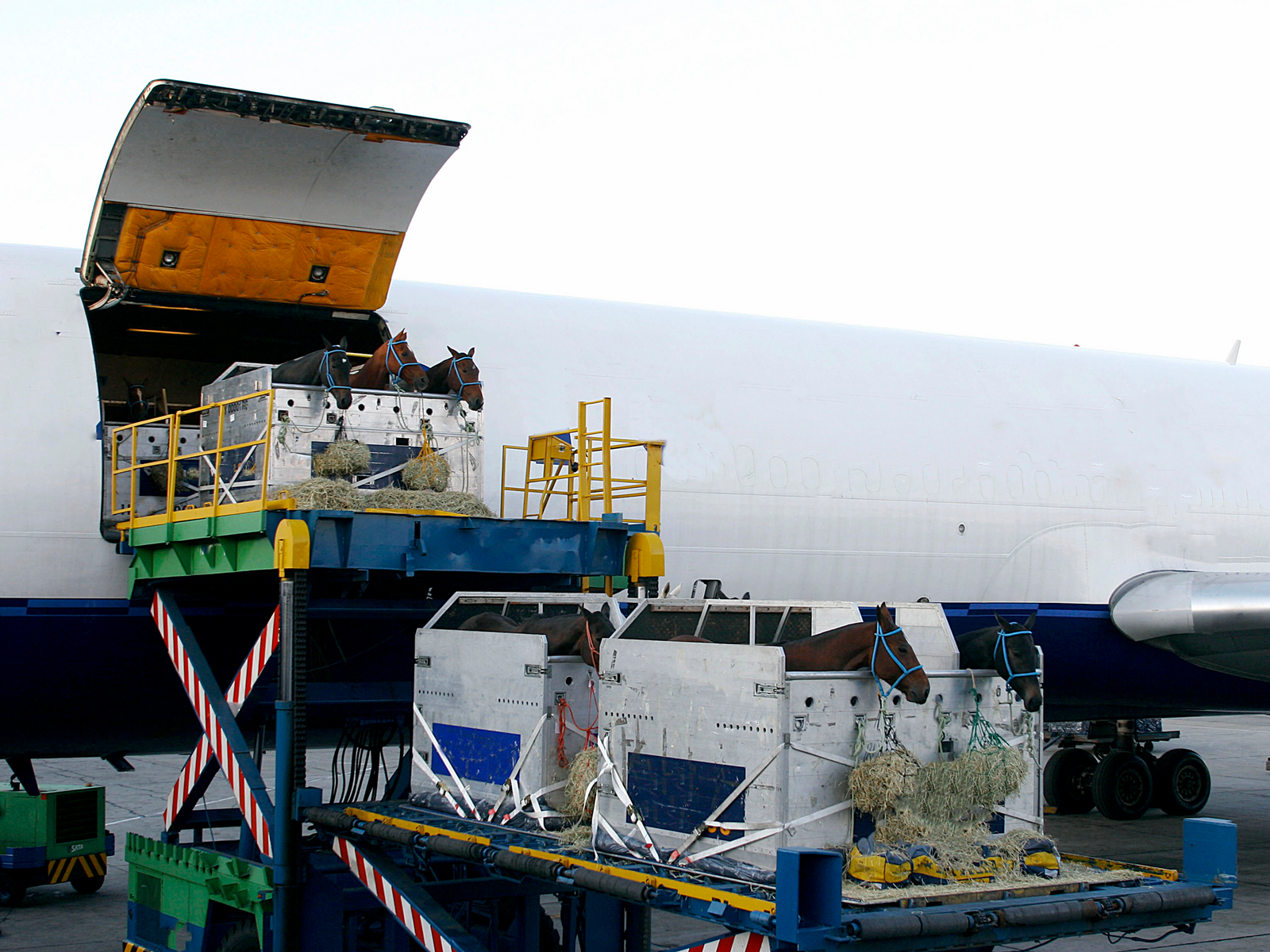
Airlines transport over 62 million cargo tonnes of goods a year, representing more than 33% of global trade by value but less than 1% of world trade by volume. That is equivalent to $8.3 trillion worth of goods annually, or $22.7 billion worth of goods every day.
Including the lithium battery challenge where governments must address the threat from undeclared dangerous goods in cargo and mail.
With speed as this underpins many other key initiatives such as safe and efficient borders, seamless operations, and quality of the supply chain.
We are committed to addressing sustainability challenges, meeting our sustainability targets, and seeing if we can do more.
Our platform offers efficient and cost-effective logistics operations with real-time updates, smart reporting, seamless communication, and fast freight and payment processing. It also includes a BI dashboard, staff scheduling, flight handling tools, and a customer portal to simplify daily operations.
CargoLyke provides a comprehensive digital solution for air cargo business management, covering master data like airlines, airports, rates, and user roles, as well as export-import operations including booking, manifesting, tracking, and delivery. It integrates finance and accounting, AWB and ULD control, and automates terminal and flight handling processes. With features such as API integrations, automated billing, real-time status updates, mobile access, and management dashboards, CargoLyke enhances efficiency, accuracy, and visibility throughout the entire cargo handling workflow.
Serves as the central repository for all core data required for air cargo operations, including airline information, aircraft details, airport and city codes (IATA/ICAO), commodity classifications and special handling codes, currency codes and exchange rates, additional charge tariffs, AWB issuance time limits (ITL), booking cutoff times (BCT), user roles and access rights, shipper and consignee details, and agent records.
Manages various types of shipping rates, including published rates, optional IATA TACT rates, commodity-specific rates, special handling fees, contract rates, spot rates, and hard/soft blocked space agreements for cargo capacity allocation.
Handles sales and booking processes, covering flight scheduling, AWB (Air Waybill) booking and issuance, interline bookings (OAL), bulk cargo programs (BUP), allotment management (booking, release, and monitoring), deposit tracking, shipment tracking, consolidated AWB printing, cargo content declarations (PTI), flight summary monitoring, airline notifications, and agent news updates.
Export cargo operations include load planning, cargo acceptance, security screening (X-ray), pre-manifest preparation, final manifest generation, offload handling, no-show cargo management, freight status updates, embargoed shipments, partial shipments, NOTOC (Notification to Captain), standby cargo management, AWB voiding, and cargo transfer manifest processing.
Import operations cover inbound flight tracking, arrival processing, cargo breakdown/unloading, transfer manifest handling, arrival notifications (Advice of Arrival), import delivery coordination, freight house listing, discrepancy resolution, and proof of delivery (POD) management.
Tracks cargo flights, including schedule management, flight activation/deactivation, capacity and route optimization, cargo tracking (Track & Trace), rebooking adjustments, and AWB group handling for consolidated shipments.
Financial operations include deposit management (pre-deposit and deposit tracking), standard reporting (allotment, transaction, statement, and daily sales reports), charge adjustments, and AWB voiding processes.
Manages AWB (Air Waybill) inventory, including stock maintenance, distribution, issuance/withdrawal, blacklisting, and tracking to prevent misuse.
Unit Load Device (ULD) management covers inventory tracking, movement status updates, station-level stock control, messaging (SCM, UCM, LUC), contract administration, incident reporting, automated billing, and procurement.
Streamlines flight operations with equipment and roster management, baggage handling (make-up/break-up), terminal and ramp services, cabin maintenance, staff training, breathalyzer testing, flight allocation planning, and equipment maintenance tracking.
The system supports multi-API integration, real-time status alerts (via WhatsApp/mobile apps), mobile-based operations, flight monitoring dashboards, and automated reporting for end-to-end cargo management efficiency.